Why Plants Are the Perfect EYFS Topic
9th March 2026
Written by Emma Archer
Nature is just brilliant in EYFS isn’t it!? It provides the children with that amazing foundation and start into ‘Understanding the World’ by literally experiencing first-hand what our world is made of!
I love how hands on it is and that it naturally supports children’s curiosity about the world. It provides a plethora of meaningful opportunities for learning across all the areas of development. Hooray!
From nurturing environmental awareness to supporting early scientific thinking, a plants‑theme helps children connect with nature whilst developing essential knowledge and skills... but most importantly it is engaging and enables the children to have fun!
Reasons to have plants as your theme!
Well firstly, plants fits perfectly within the EYFS curriculum!
But possibly one of the most important reasons is that a plants theme encourages environmental awareness and stewardship and helps children develop a meaningful connection to the natural world. They begin to understand where food comes from, the importance of caring for living things. They start to see the impact of seasons on nature and it also gives them insights into why green spaces matter for people and animals.
Through nurturing plants, children start to learn that their actions help living things thrive. This supports a stronger sense of responsibility for both their immediate environment and our wider planet.
It easily supports Communication and Language because children are going to be introduced to relevant vocabulary such as seed, soil, stem, roots, growth, and environment. You can have numerous discussions during planting sessions or observing plants and it really naturally lends itself to curiosity with opportunities for questioning, predicting, and explaining for example, Will this seed have grown by tomorrow? What is making my seed grow? Why does my bean look a bit furry?
Eyfs Plants Vocabulary Cards Resource | Classroom Secrets
Eyfs Plants Conversation Cards Resource | Classroom Secrets
In terms of PSED, caring for plants encourages responsibility, empathy, and patience and working together on gardening tasks builds cooperation and teamwork. Children feel such pride and ownership as they see the results of their efforts such as cress heads in eggs that they can eat or when their bean starts to grow in the plastic stuck to the window!
For Understanding the World plant exploration directly supports scientific knowledge about life cycles and natural processes and it allows children to observe changes over time, compare different plants, and explore habitats.
Opportunities for being outside naturally provides Physical Development activities and promotes whole body movement and exploration. Also, through planting, children can develop their fine motor skills easily with activities such as digging, sowing seeds, handling tools, and watering
For Literacy, children can engage with plant-themed stories, non‑fiction books, labels, and instructions. Mark‑making opportunities arise naturally through drawing plants, recording growth, or writing signs for the garden. Here are a few great books relating to plants:
Jack and the Beanstalk – Mara Alperin - A traditional tale with repetitive phrases and the wonder of a bean.
A Seed in Need – Sam Godwin - The life Cycle of a seed - a non fiction book but in a story style format
Planting a Rainbow – Lois Ehlert – A beautifully illustrated picture book
The Tiny Seed – Eric Carle – a classic picture book following the journey of a seed
Activities such as counting and sorting seeds, measuring plant height, and comparing leaf sizes link directly to number and measurement whilst patterns can be explored through leaf shapes or flower structures and so plants provides ample opportunities for Mathematics exploration to take place.
Activities and Investigations
Looking for some quick and simple ideas to include within your provision? Here are a few super simple ones to get you started!
Seed Planting Investigation
Beans and sunflowers seeds are brilliant for the children to be able to observe a change over time as they change over a few days. They also provide opportunities for children to measure growth, draw observations, and compare which seeds grow fastest.
Sunflower seeds – 2cm deep hole in a small pot, in the sun if you can. Pop two in for the best chance of germination and remove one if two start growing.
Beans – Kidney or Lima Beans soak overnight for the best chance of germination. Don’t let the children overwater them! They’ll go a bit mouldy!
Nature Walk and Leaf Hunt
Take children outdoors to collect leaves, spot different plants, and notice colours, shapes, and textures. You may find a plant identification list like the one below useful!
Eyfs Plants Identification Checklist Resource | Classroom Secrets
Plant Dissection
Provide flowers or leafy plants for children to explore closely using magnifying glasses. They can examine stems, petals, seeds, and roots. This is great for fine motor skills too!
Create a Mini Garden or Sensory Planter
You will need simple old baking trays, cardboard box lids or if you have the budget, plant terrariums. Then provide, soil, sand and gravel as the base plus simple plants and models. Allow the children to design and plant their own small gardens. This is a wonderful activity that encourages creativity and promotes a sense of ownership.
Outdoor Role‑Play Garden Centre
Set up an imaginative play space with pots, pretend money, clipboards, seed packets, and tools. If you have space to do this outside and combine it with your mud kitchen area this gives the children chance to interact with the soil and seeds.
Growing Food to Eat
Plant fast-growing foods like cress or mustard seeds so that the children get quick results and they get to have the pride of growing something that can be eaten.
To sum everything up:
A plants theme in EYFS is more than just a ‘topic to do,’ it is also a really powerful way to help children explore, investigate, care for the world, and develop a deep sense of wonder. It is one of the themes that really does align perfectly with the EYFS curriculum, it supports learning across all areas while promoting environmental awareness and early stewardship. Through hands‑on experiences, meaningful discussions, and exciting investigations, children gain essential skills and a lifelong appreciation for the natural world.
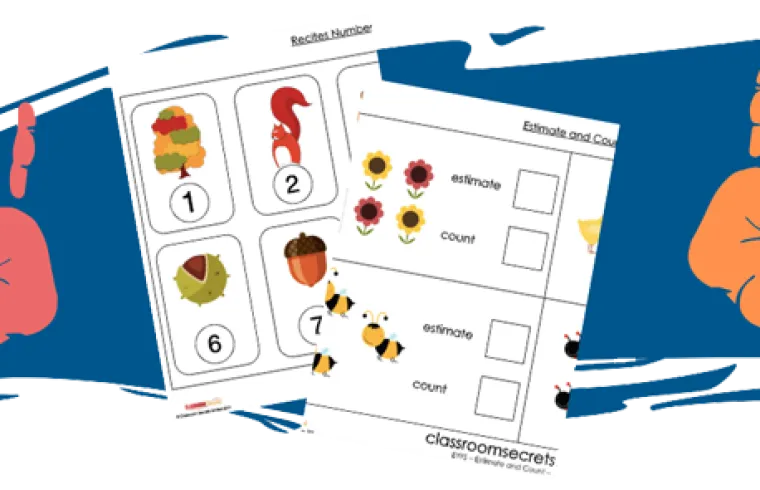
We have some wonderful resources on our website in the EYFS area! For extra planning and even more plant themed resources click the link!
EYFS Plants and Nature Around Us Resources & Worksheets | Classroom Secrets
Try us today!