FREE
x1

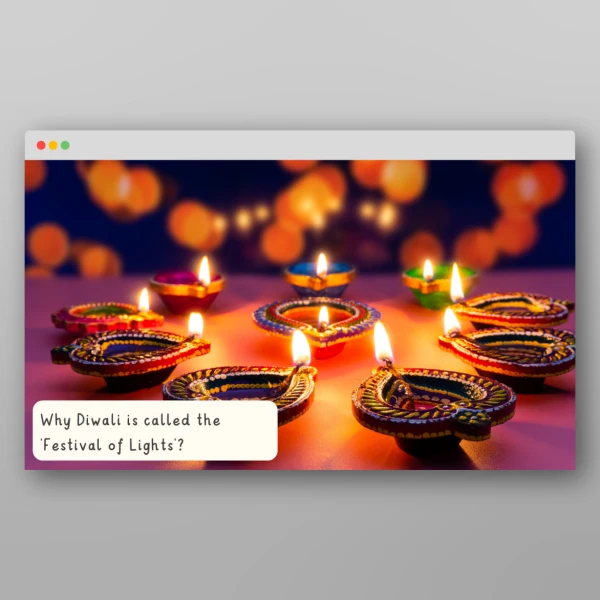
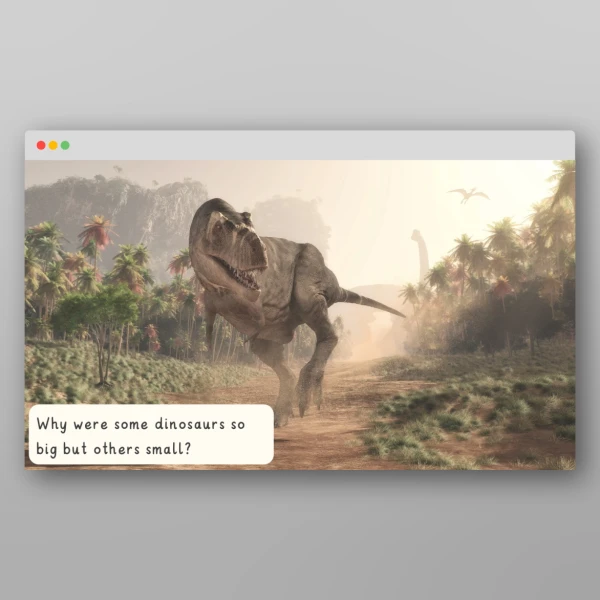
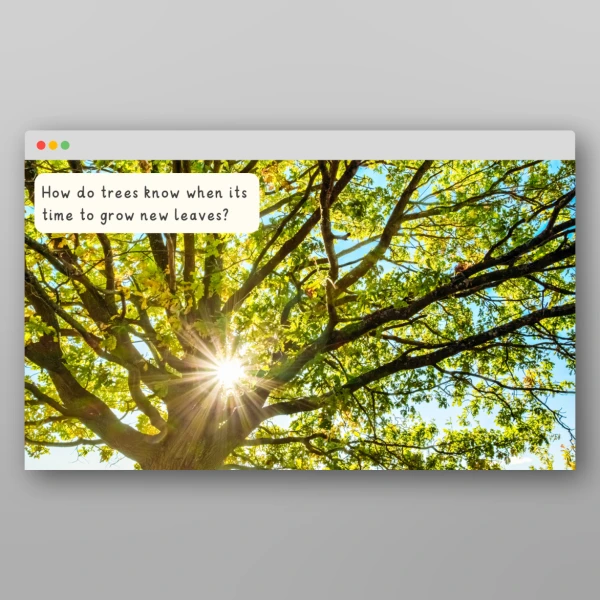
LKS2 I Wonder Discussion Prompts give you a ready-made bank of open questions that get children talking, listening and thinking aloud. Each prompt pairs one question with a photograph or picture, so every child can join in, whatever their reading level or home language. The content includes 36 discussion prompts, enough for one a week across the school year, with some linked to Christmas, Easter and the end of the school year. The prompts are collected from our LKS2 Wake Up and Work packs, so you have them all in one place. They make an ideal morning task, settle-down activity or assembly opener, developing children's oracy and discussion skills.
The prompts give children regular practice in the spoken language skills of the national curriculum: listening, asking questions, explaining and justifying their ideas and building on what others say. The questions also link to subjects such as PSHE, science and maths.
The EEF Teaching and Learning Toolkit rates oral language interventions at about +6 months' additional progress, at very low cost.
Playful what-if and would-you-rather questions that invite children to imagine and explain, such as "What would it be like if the number '9' didn't exist?"
Questions about feelings, love and kindness, such as "What colour is shyness?"
Questions with no easy answer that ask children to justify their thinking, such as "If a clock stops working, is it still a clock?"
Our I Wonder discussion prompts are designed for the interactive whiteboard. Display a prompt, read the question aloud and give children think-pair-share time: time to think of their response, time to share it with a partner and listen to theirs, then time for some children to share with the class. Every prompt ends with "Share your thoughts with a partner", so children know what to do. The questions are open by design, so there's no right answer to find: the aim is talk, reasoning and vocabulary. You can also use them:
Stretch confident talkers with follow-up prompts such as "What makes you think that?" and "How could we find out more?", or simplify by narrowing an open question to a choice (e.g. "Rainy day or sunny day?"). You could also challenge children to write their own questions and record them to revisit.
The pictures give every child a visual hook, so children can point, gesture or use single words before building to sentences. Pair the prompts with Makaton or visuals your school already uses. These simple approaches can also help:
Looking for more prompts? Our KS1 I Wonder discussion prompts and UKS2 I Wonder discussion prompts work well alongside these.
You can explore more of our I Wonder discussion prompts here.